

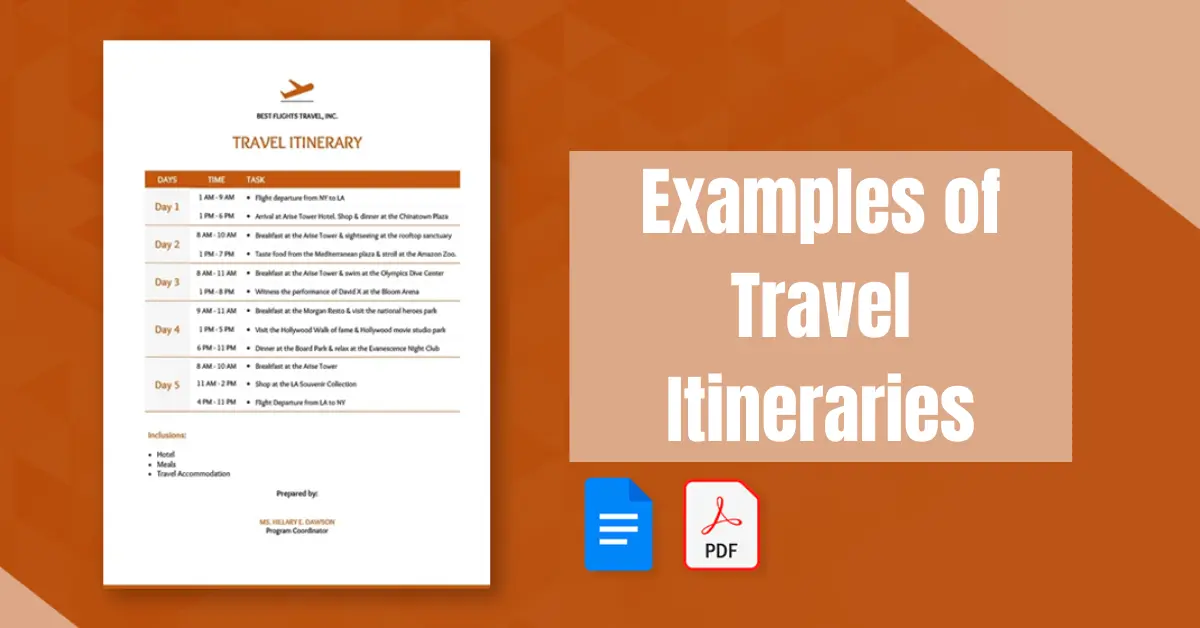
Introduction
Planning a trip can feel exciting, but it often becomes overwhelming when you do not know where to start. This is why many people search for examples of travel itineraries to get a clear idea of how to organize their journeys. A well structured itinerary acts like a travel planning guide that saves time, reduces stress, and helps you enjoy every moment of your trip.
Whether you are looking for trip itinerary samples, vacation schedule ideas, or holiday planning examples, having a proper plan makes travel smoother and more enjoyable. Instead of wasting time figuring things out during your trip, a good itinerary gives you direction and confidence from the very beginning.
What is a Travel Itinerary
A travel itinerary is a detailed travel schedule that outlines everything about your trip in advance. It includes your destinations, activities, timings, transport arrangements, and sometimes even accommodation details. In simple words, it is your complete trip planning structure that guides your journey from start to finish.
A well made itinerary works like a daily travel plan, helping you know where you need to be and what you need to do each day. It is especially useful for travelers who want organized trips without confusion or last minute stress.
Why Travel Itineraries Are Important
Having a structured travel plan offers many benefits that improve your overall travel experience.
- Saves time during travel by reducing confusion and last minute planning
- Helps manage budget by planning expenses in advance
- Reduces confusion by giving a clear daily schedule
- Improves travel experience by keeping everything organized
- Helps first time travelers feel more confident and prepared
A well prepared plan creates an organized trip experience and ensures an efficient travel schedule from beginning to end.
Examples of Travel Itineraries for Different Types of Trips
Understanding real examples makes it easier to create your own travel plan. Below are simple and practical examples of travel itineraries for different trip durations.
One Day City Travel Itinerary Example
A one day trip is usually fast paced, so planning is important. A sample itinerary may include morning sightseeing at popular attractions, followed by a relaxing lunch break at a local restaurant. In the evening, you can explore markets, parks, or cultural spots before heading back.
This type of plan is ideal for short weekend visits or quick city tours where time is limited but experiences matter.
Three Day Vacation Itinerary Example
A three day trip allows a balanced mix of exploration and relaxation. On the first day, you can explore major landmarks and get familiar with the destination. The second day can focus on cultural experiences, food tours, or adventure activities. The third day can be lighter with shopping, relaxing, or visiting nearby attractions.
This type of vacation plan sample helps travelers enjoy variety without feeling rushed.
Seven Day Travel Itinerary Example
A seven day trip gives you enough time to explore deeply. A common structure includes dividing each day into different themes such as historical sites, nature exploration, cultural experiences, local food discovery, and leisure time.
A well designed travel route planning strategy ensures that every day feels meaningful while still leaving room for relaxation.
How to Create a Perfect Travel Itinerary
Creating your own itinerary is simple if you follow a step by step approach.
- Choose your destination based on interest and budget
- Decide trip duration according to available time
- List attractions you want to visit
- Arrange transport between locations
- Plan a daily travel schedule with balanced activities
- Add buffer time for flexibility and unexpected delays
Using these travel planning tips helps you build a practical itinerary that fits your personal style.
Common Mistakes to Avoid When Making Travel Itineraries
Many travelers make simple mistakes that affect their trip experience.
- Overpacking the schedule without enough rest time
- Not considering travel time between destinations
- Ignoring local weather conditions
- Not leaving free time for exploration
- Poor budgeting that leads to overspending
Avoiding these travel planning mistakes helps you create a smoother and more enjoyable journey.
Expert Travel Tips for Better Itineraries
From real travel experience, one important lesson is that flexibility always matters more than perfection. A good itinerary should guide you, not restrict you.
- Always research local transport options before arriving
- Check opening hours of attractions in advance
- Keep backup plans in case something changes
- Use maps and offline travel guides for convenience
- Balance busy days with relaxing moments
These smart travel planning habits help you stay organized while still enjoying spontaneous moments during your trip.
Frequently Asked Questions
What is an example of a travel itinerary
It is a structured plan showing how your trip days are organized with activities, timings, and destinations.
How do I create a simple travel itinerary
Start by choosing your destination, listing attractions, and dividing them into daily plans.
What should be included in a travel plan
A good travel plan includes destinations, activities, transport details, timings, and rest periods.
Are travel itineraries necessary for short trips
Yes, even short trips benefit from basic planning to save time and reduce confusion.
Conclusion
Using examples of travel itineraries is one of the best ways to understand how to plan a smooth and enjoyable trip. Whether it is a short city visit or a long vacation, a clear travel plan helps you stay organized, save time, and enjoy more meaningful experiences.
By following simple planning steps and avoiding common mistakes, you can easily create your own personalized travel itinerary that fits your travel style and needs.
